Why Green Bay Homes Face Unique Waterproofing Challenges
If you live in Green Bay, you already know that our weather can be tough on homes. Between heavy spring rains, rapid snowmelt, and the freeze-thaw cycles that define a Wisconsin winter, your basement is under constant pressure. But the real challenge lies beneath the surface: the expansive clay soil common throughout our region. Clay holds water like a sponge and expands when wet, pushing against your foundation walls with tremendous force. When it dries out, it contracts, leaving gaps where water can pool.
This soil behavior is why a one-size-fits-all approach to waterproofing rarely works here. Homeowners in De Pere and Allouez often discover that the source of their leak is not just a crack in the wall, but the way water moves through the soil around the entire foundation. Understanding whether to address that water from the inside or the outside is the first step toward a dry basement. This article breaks down the two main approaches so you can make an informed decision for your home.
Interior Waterproofing: Managing Water Where It Enters
Interior waterproofing focuses on capturing water after it has entered the basement and directing it away from your living space. The most common method is an Interior Drain Tile System, which involves breaking up a narrow strip of the basement floor along the perimeter, installing a perforated pipe in a bed of gravel, and connecting it to a sump pump. Any water that seeps through the walls or floor flows into the tile and is pumped safely outside. This approach is popular because it can be installed year-round, regardless of the weather, and it does not require excavating your yard or disturbing landscaping.
For many Green Bay homeowners, interior systems offer a reliable and cost-effective solution, especially when the goal is to protect finished living space or storage areas. The Interior Drain Tile System also comes with a clean, finished look once the concrete is patched. However, it does not stop water from entering the foundation walls in the first place. It manages the water, but it does not address the hydrostatic pressure from the outside. That is where exterior solutions come into play, and the choice between the two often depends on the severity of your problem and your long-term goals.
Exterior Waterproofing: Stopping Water Before It Gets In
Exterior Basement Waterproofing takes the opposite approach: it stops water before it ever reaches your foundation. This typically involves excavating the soil around the foundation, applying a waterproof membrane or coating to the exterior walls, and installing a drain tile system at the footing level to carry groundwater away. In areas with heavy clay soil, exterior membrane systems are often the most robust defense because they address the root cause of the pressure. When combined with proper grading and downspout extensions, an exterior system can keep your basement dry for decades.
The trade-offs are significant, though. Exterior projects require digging up the perimeter of your home, which means disturbing landscaping, walkways, and sometimes decks or porches. They are generally more expensive and take longer to complete. For homeowners in Ashwaubenon with severe bowing walls or chronic flooding, however, exterior waterproofing is often the only way to relieve the pressure and protect the structural integrity of the foundation. A thorough inspection is essential to determine whether your home needs this level of intervention or whether an interior system will suffice.
Drain Tile vs. Exterior Membrane: A Practical Comparison
When comparing drain tile vs. exterior membrane, it helps to think about what each system is designed to do. An interior drain tile system is a water management tool: it collects water that has already entered and moves it out. An exterior membrane is a barrier: it prevents water from penetrating the wall in the first place. In many cases, the best solution is a combination of both, especially in older homes where the foundation may already have minor cracks or porous concrete. The key is diagnosing where the water is coming from and how much pressure the foundation is under.
For a typical Green Bay home with occasional dampness and a history of sump pump use, an interior system is often sufficient and more budget-friendly. For a home with visible wall cracks, efflorescence, or a history of standing water after heavy rains, exterior waterproofing may be necessary to stop the source. A professional assessment can save you from spending money on the wrong solution. If you are unsure which path fits your situation, a free estimate from a local expert can provide clarity and a clear plan of action.
Basement Waterproofing Cost in Green Bay: What to Budget
Cost is a major factor in the interior vs exterior waterproofing decision, and it is important to have realistic expectations. Interior drain tile systems are generally less expensive because they require less excavation and can be completed in a few days. Exterior systems cost more due to the heavy equipment, labor, and restoration work involved. However, the long-term value of either solution depends on your home's specific needs. A cheap fix that does not address the root cause will cost you more in the long run through repeated repairs and potential structural damage.
For a detailed breakdown of what you can expect to pay in our area, including options for financing, visit our pricing page. It is also worth noting that Foundation Waterproofing is an investment in your home's value. A dry basement adds usable square footage and prevents the mold, musty odors, and structural issues that can scare off buyers. When you weigh the cost against the protection and peace of mind, the right solution often pays for itself over time.
Basement Waterproofing Near Me: When to Call a Pro
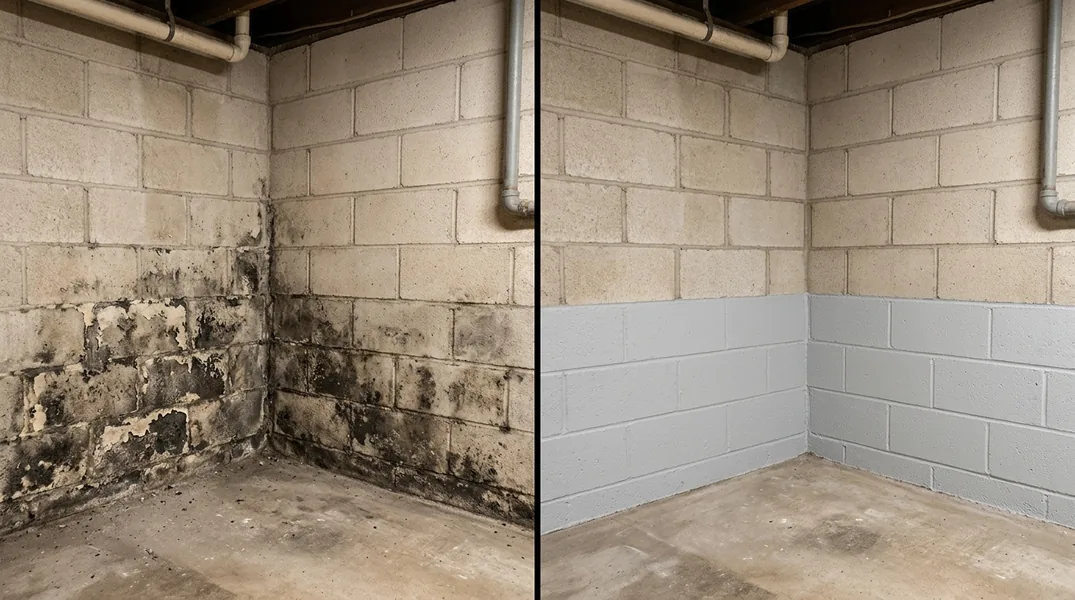
If you are searching for basement waterproofing near me in the Green Bay area, you have probably already noticed the signs: a damp smell, water stains on the walls, or a sump pump that runs constantly. These are not problems that go away on their own, and DIY fixes like sealants or patching compounds rarely last through a Wisconsin spring. The clay soil and high water table in our region demand a solution designed for the local conditions. A professional can identify whether you need an interior system, an exterior membrane, or a combination of both.
At Green Bay Waterproofing, we specialize in helping homeowners understand their options without pressure or jargon. Whether your home is in Green Bay or a surrounding community, we start with a thorough inspection and a clear explanation of what is happening and why. If you are ready to take the next step, call us at (920) 932-4887 or reach out online for a free estimate. We will help you choose the right solution for your home, your budget, and the unique challenges of our Wisconsin climate.
Looking for a professional basement waterproofing contractor in Green Bay? Green Bay Waterproofing responds fast for all your basement waterproofing needs.
Get a Free QuoteOur services: Basement Waterproofing · Interior Drain Tile System · Exterior Basement Waterproofing